
Noticing a thinner hairline or more hair in the shower while taking testosterone replacement therapy (TRT) can be worrying. TRT may contribute to hair loss in susceptible men, but the timing alone does not prove that treatment caused it. The pattern of loss, your previous hair history and other changes in your health all matter.
The most useful next step is an assessment, rather than adding a hair-loss medicine or changing testosterone yourself. This guide explains the questions to discuss with your prescriber and how hair concerns fit alongside your TRT care.
Does TRT cause hair loss?
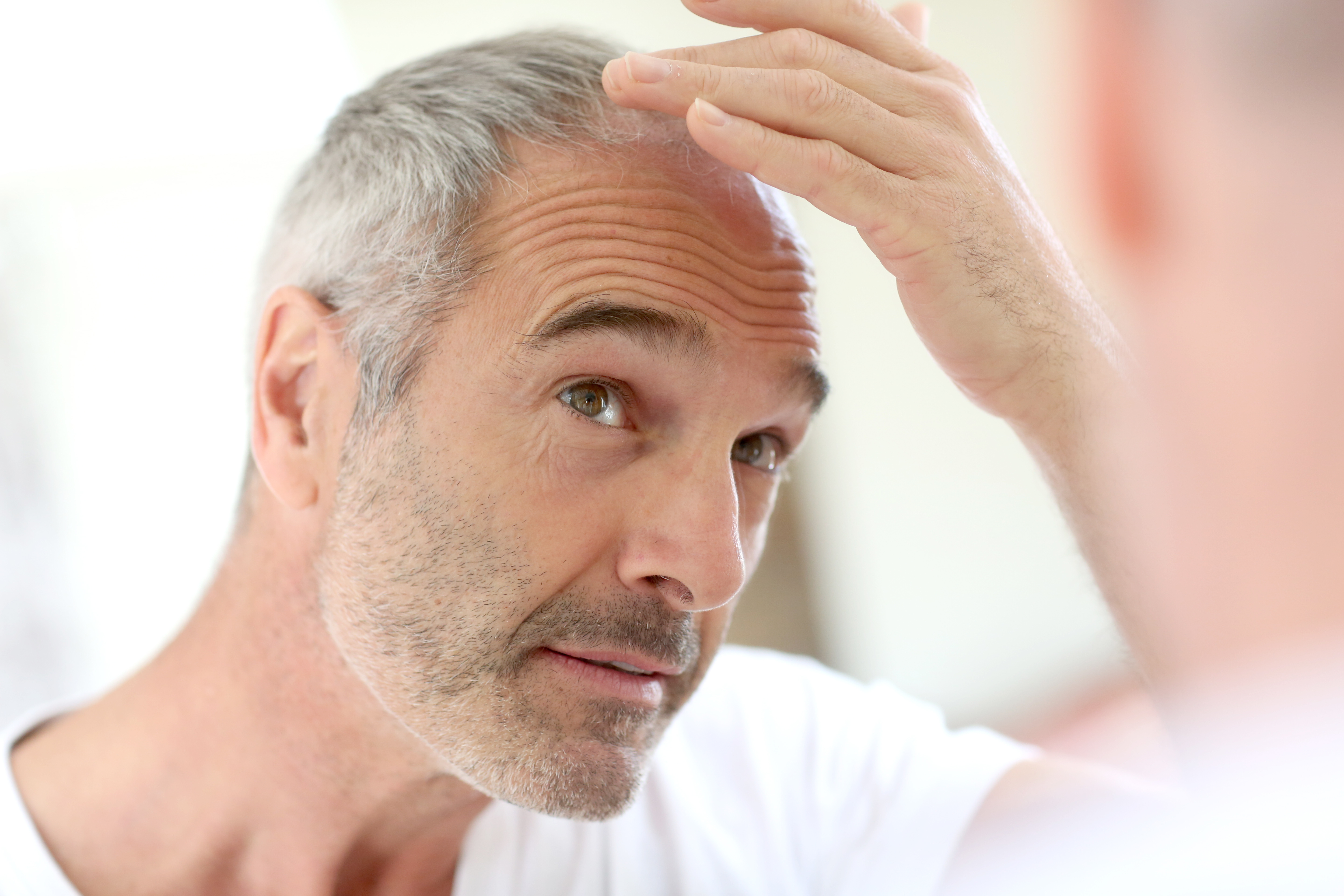
Hair loss is a recognised possible adverse effect of some testosterone products. For example, alopecia is listed in the Testogel product information. That does not mean everyone using TRT will lose scalp hair, or that all new shedding during treatment is a medicine side effect.
There is also an important distinction between a plausible hormonal mechanism and a reliable prediction for an individual. Your family history, existing pattern of thinning and scalp examination help put the concern into context. A single testosterone result cannot tell you whether you will become bald.
Claims that TRT always causes baldness, or can never affect scalp hair when prescribed correctly, are too absolute. Discuss changes with the clinician responsible for your treatment, especially if they are progressing.
How are testosterone, DHT and scalp hair connected?
The body converts some testosterone into dihydrotestosterone, usually shortened to DHT. In male-pattern hair loss, genetically susceptible scalp follicles respond to androgens by gradually producing finer, shorter hairs. The British Association of Dermatologists explains this process.
This helps explain why hormone exposure can matter without being the whole explanation. Men with similar hormone results can have very different hair patterns. Hairline and crown thinning can also progress with age whether or not someone takes TRT.
More facial or body hair is not a reliable guide to what will happen on the scalp. Different follicles respond differently. Avoid treating a change in your beard or body hair as proof that a particular testosterone dose is right or wrong for your scalp.
Could something else explain new shedding?
Yes. The NHS lists illness, stress, weight loss and iron deficiency among causes of temporary hair loss. A medicine change or a scalp problem may also need assessment. Read the NHS advice on hair loss and arrange a GP assessment if you are worried.
Describe what you can see rather than trying to diagnose it yourself:
- Gradual thinning at the temples or crown: tell the clinician how long it has been happening and whether it began before TRT.
- Increased shedding across the scalp: mention recent illness, major stress, weight change or changes to medicines.
- Distinct patches or scalp symptoms: report itching, soreness, redness, scaling or broken hairs as well as the loss itself.
These observations guide assessment; they are not a home diagnostic test. Two causes can occur together, so a family history of thinning should not prevent other symptoms being investigated.
Can you prevent hair loss while taking testosterone?
There is no guaranteed prevention plan. A sensible discussion starts with what your hair looked like before treatment, whether the diagnosis is clear and whether your TRT monitoring is up to date.
If male-pattern hair loss is confirmed, a clinician can discuss whether treatment is appropriate, the likely limitations and the ongoing commitment involved. Our medical hair-loss treatment page explains the clinic’s service.
What about minoxidil or finasteride?
Minoxidil and finasteride are established options for male-pattern hair loss, but neither works for everyone. Treatment suitability depends on your health, other medicines and preferences. Benefits generally depend on continued use; starting treatment does not guarantee that your original hair density will return.
Finasteride needs a balanced discussion of potential benefits and harms. Current MHRA safety advice highlights psychiatric and sexual side effects, including reports of sexual dysfunction continuing after treatment has stopped. Tell your prescriber about previous depression and any changes in mood or sexual function.
For men taking finasteride 1 mg for hair loss, the MHRA advises stopping the medicine and contacting a healthcare professional as soon as possible if depression or suicidal thoughts develop. Seek urgent help if you cannot keep yourself safe.
Our guide to hair-loss medicine side effects covers questions to raise before treatment. Do not start or combine medicines simply because someone else on TRT recommends them.
Do shampoos or supplements solve the problem?
Be cautious about products promising to block DHT or preserve all your hair. A cosmetic promise does not establish that a product will treat the cause of your shedding. Tell your clinician about supplements as well as prescribed medicines, and ask whether any suspected nutritional deficiency needs investigating before buying treatment.
Is hair loss on TRT reversible?
It depends on the cause. Temporary shedding related to a reversible health problem may improve when that problem resolves. Male-pattern hair loss is a continuing condition, and treatment aims may include slowing further loss rather than restoring every hair.
Stopping testosterone is not a guaranteed way to regrow hair. Nor can a clinician reliably promise a particular amount of regrowth from a photograph or blood test alone. Ask what outcome is realistic for your diagnosis and how progress will be reviewed.
Consistent photographs can make the discussion more useful. Use similar lighting, hairstyle and angles, and compare over the interval agreed with your clinician. Daily mirror checks can be difficult to interpret.
Should you stop or change TRT if your hair thins?
Contact your prescriber before changing treatment. They can review the original reason for TRT, current symptoms, blood results and the timing of your hair changes. The aim is to weigh your overall health and treatment response alongside the hair concern.
Do not reduce doses, stretch injection intervals or change formulations yourself. Switching from injections to gel, or the other way round, should not be presented as a proven guarantee against hair loss. Your clinician needs to consider the specific preparation and your individual response.
If you feel you have to choose between feeling well and keeping your hair, say so directly. That concern deserves a clear discussion of the available options and their limitations.
What should you bring to an appointment?

- A timeline of when TRT began, any prescribed changes and when thinning or shedding became noticeable.
- Older and recent photographs, if available, showing the same parts of your scalp.
- A list of medicines, hair products and supplements, including treatments bought online.
- Relevant blood results and details of recent illness, weight changes or major stress.
- Your family hair-loss history and any scalp symptoms.
- Questions about treatment benefits, side effects, cost and follow-up.
There is no need to arrive with a self-diagnosis or a requested medicine. Clear information about what has changed is more helpful.
When should you seek medical advice?
Arrange an assessment if hair loss worries you, affects your wellbeing or is progressing. Sudden patches, a painful or inflamed scalp, or other new symptoms are reasons to seek prompt advice rather than assuming the cause is TRT.
A GP can assess possible underlying causes and advise whether specialist input is needed. Your TRT prescriber should also know about suspected treatment-related changes.
Discuss hair changes with our clinic
Contact Men’s Medical Clinic to discuss hair changes during TRT. An assessment can help clarify what needs investigating and which treatment questions are relevant to you, without promising guaranteed hair preservation or regrowth.
Contact the clinic about hair loss
This article provides general information and does not replace individual medical advice.